The H-1B visa program has long been a crucial pathway for skilled foreign workers to contribute to the U.S. economy, significantly shaping U.S.-India relations. With renewed debates under President-elect Donald Trump’s administration and key reforms set to take effect in January 2025, the program remains at the forefront of immigration discussions. This article explores the complexities, controversies, and opportunities surrounding the H-1B visa, particularly for Indian professionals, while examining the recent updates aimed at modernizing the program.
The H-1B visa enables U.S. employers to hire foreign workers in specialized fields such as technology, engineering, finance, and medicine. Indian nationals dominate this program, accounting for 72% of H-1B visa approvals in 2023. The program has been instrumental in enabling Indian professionals to secure competitive salaries and drive U.S. innovation in key industries.
H-1B visa holders face significant limitations, as their legal status is dependent on employer sponsorship. Losing a job triggers a 60-day deadline to secure new employment, leaving workers vulnerable to career disruptions and limited career mobility.
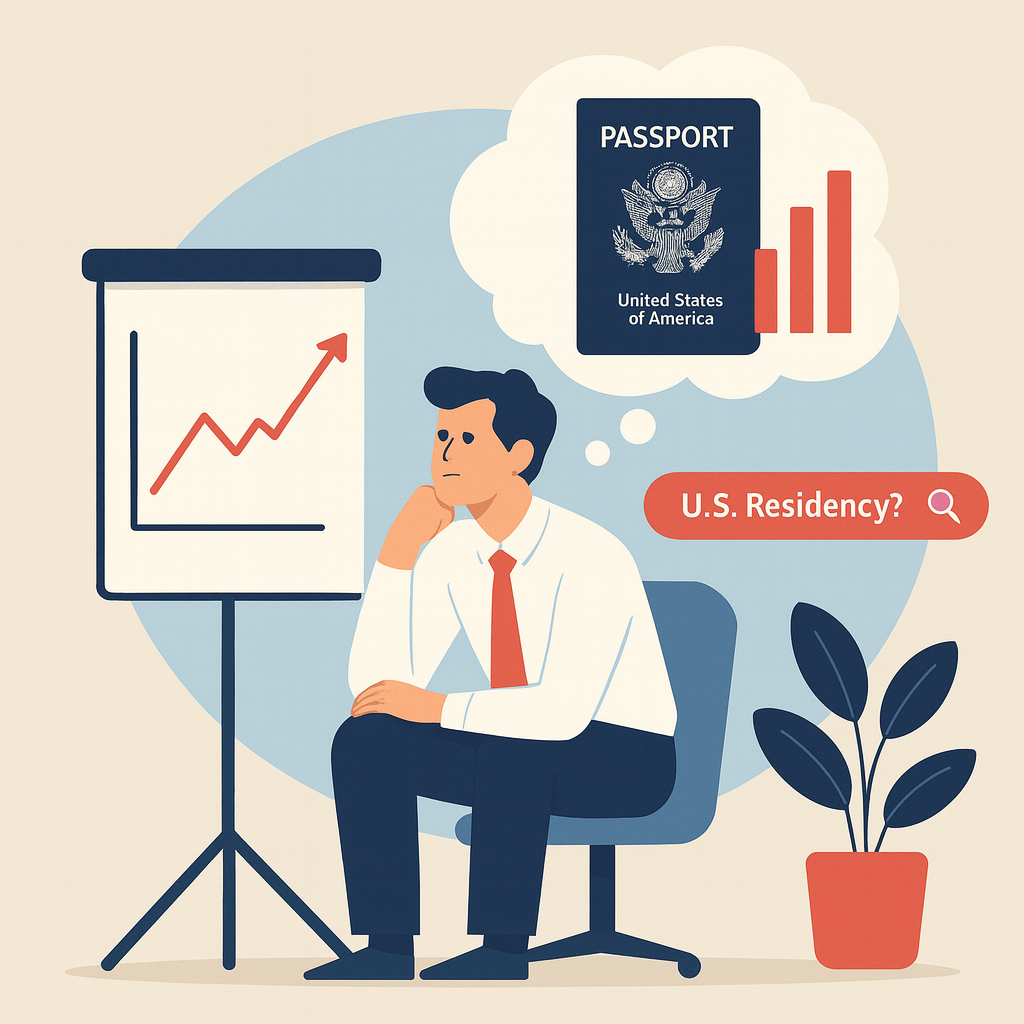
For many, the H-1B visa is a stepping stone to permanent residency. However, green card backlogs, particularly for Indian nationals, extend waiting times to 20-30 years, creating uncertainty for professionals and their families.
The H-1B program has faced criticism over allegations of abuse by large IT firms accused of displacing U.S. workers. A recent U.S. court ruling against Cognizant for discriminatory practices has further highlighted these concerns, fueling debates about fairness and transparency.
Starting in 2025, H-1B visa holders will no longer need to travel to their home countries for visa renewals. This change, introduced after a successful pilot program in 2024, aims to:
The U.S. Department of Homeland Security (DHS) has introduced significant reforms to modernize the H-1B program:
Under President-elect Donald Trump, debates around the H-1B program have intensified. While some conservative groups call for restrictions, Trump and leaders like Elon Musk emphasize the importance of attracting global talent to maintain U.S. competitiveness.
The H-1B visa program underscores the strong economic and technological partnership between the U.S. and India. Indian professionals play a pivotal role in industries like technology, healthcare, and education, driving U.S. innovation and growth. Simplifying visa processes further strengthens this collaboration.
Despite challenges, Indian professionals and students are encouraged to pursue their ambitions in the U.S. Key advice includes:
The H-1B visa program remains a cornerstone of U.S.-India relations, offering transformative opportunities for Indian professionals while addressing longstanding challenges through necessary reforms. The 2025 updates promise a more efficient, flexible, and transparent process, ensuring the program continues to attract the world’s top talent. As Indian professionals drive U.S. innovation and economic growth, the enduring value of skilled immigration cannot be overstated.

Join the newsletter
Subscribe for weekly updates.
Copyright © Rathee Law Firm 2026