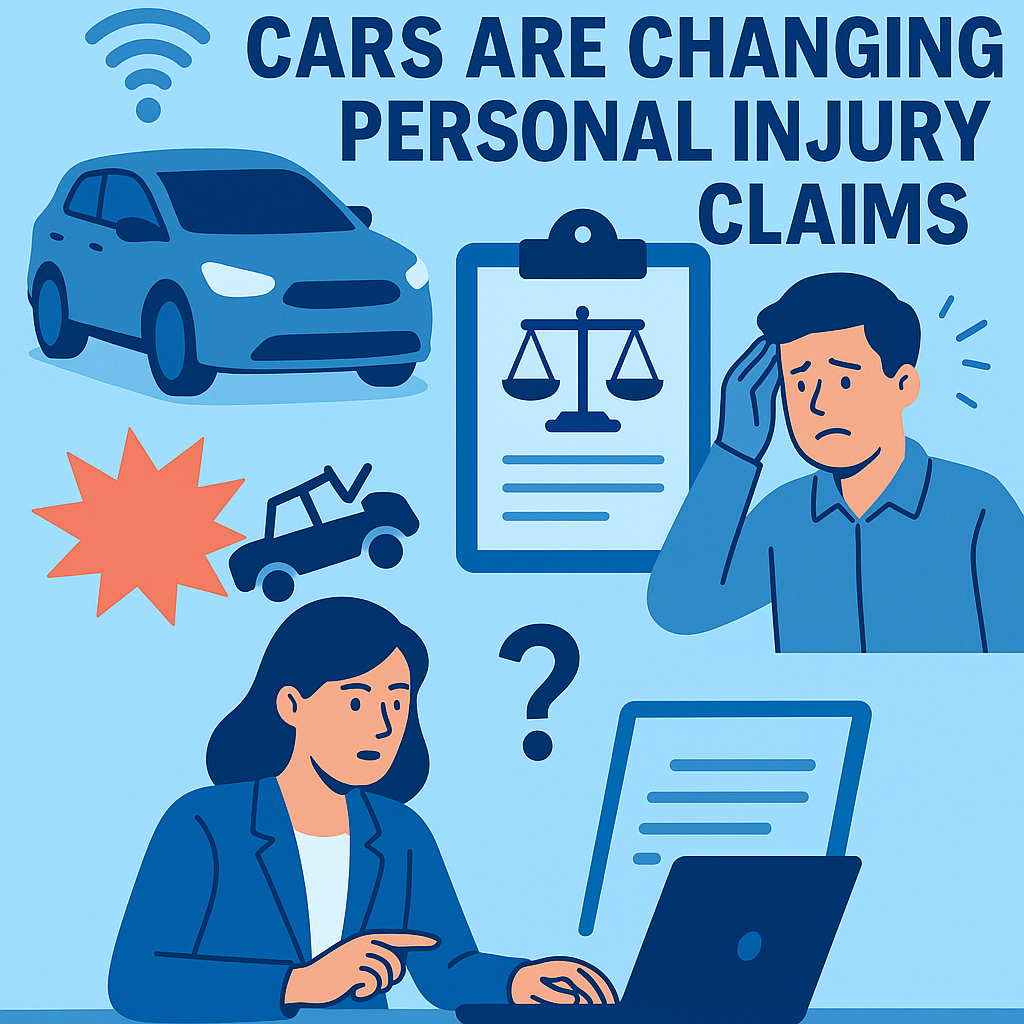
Did you know that a recent report by United States Courts suggests a surge of 78% in personal injury claim filings in 2024?
Personal injuries can happen due to:
These incidents may push us into shock and prompt us to file a personal injury claim. But have you thought about the evidence needed to support your claim?
This expert guide by Rathee Law Firm helps you understand:
Evidence is foundational in personal injury cases. It helps establish:
Evidence helps justify your claim before insurance companies. Organized and credible evidence makes the process of receiving compensation smoother and more effective.
Different types of injuries require different types of evidence:
Written records like:
Includes:
Tangible items such as:
Examples:
If you're missing key evidence (e.g., police reports or eyewitnesses), alternative evidence may help:
Alternative evidence can fill the gaps in your claim and support compensation.
To assess this:
Have your evidence reviewed by an experienced personal injury lawyer for a better assessment.
An experienced lawyer can:
It’s normal to feel unsure about the amount of evidence you've gathered. However, what matters most is whether the available evidence is strong and credible.
If in doubt, consult legal experts to turn your doubt into a strong claim. Remember, quality matters more than quantity in evidence.
It might make your claim more challenging, but alternative evidence can fill the gaps.
Yes, but be careful — insurance companies may use your posts to contradict your claim. Avoid posting about your injury and use such content wisely.

Join the newsletter
Subscribe for weekly updates.
Attorney Advertising. Rathee Law Firm P.C., New York. The information on this website is for general informational purposes only and does not constitute legal advice or create an attorney-client relationship. Prior results do not guarantee a similar outcome. Please consult an attorney for advice about your individual situation.
Copyright © Rathee Law Firm P.C. 2026 · Privacy Policy · Schedule Consultation